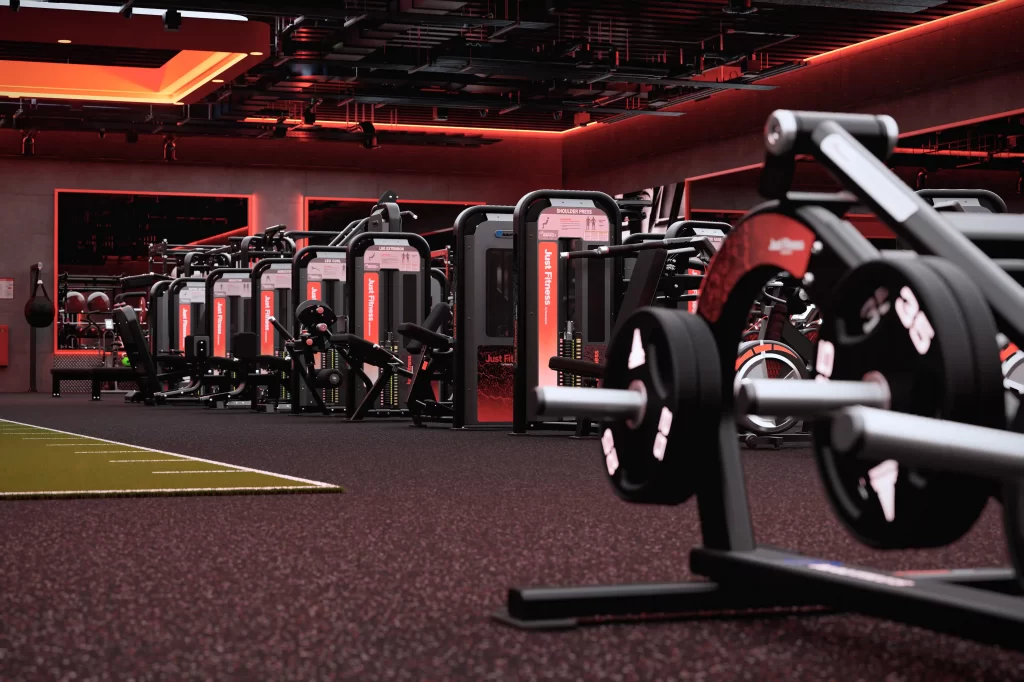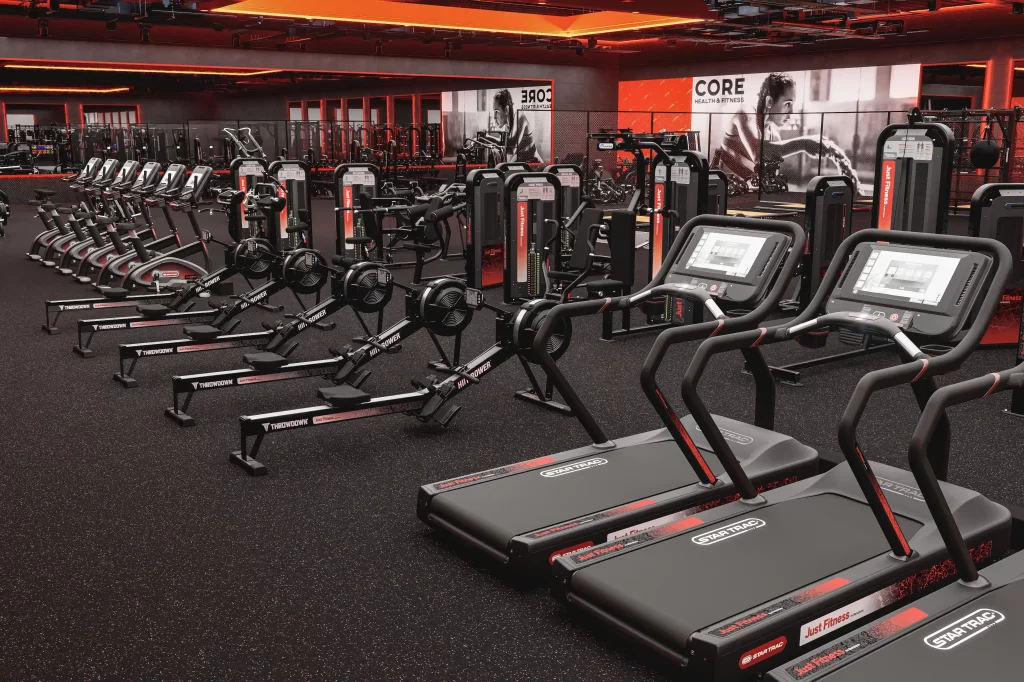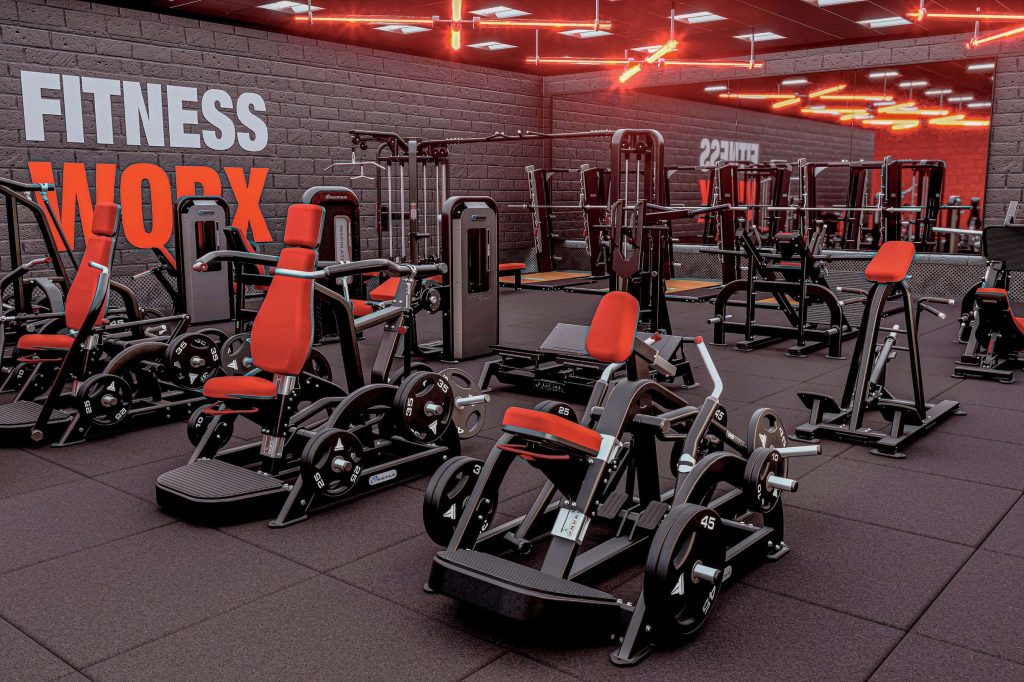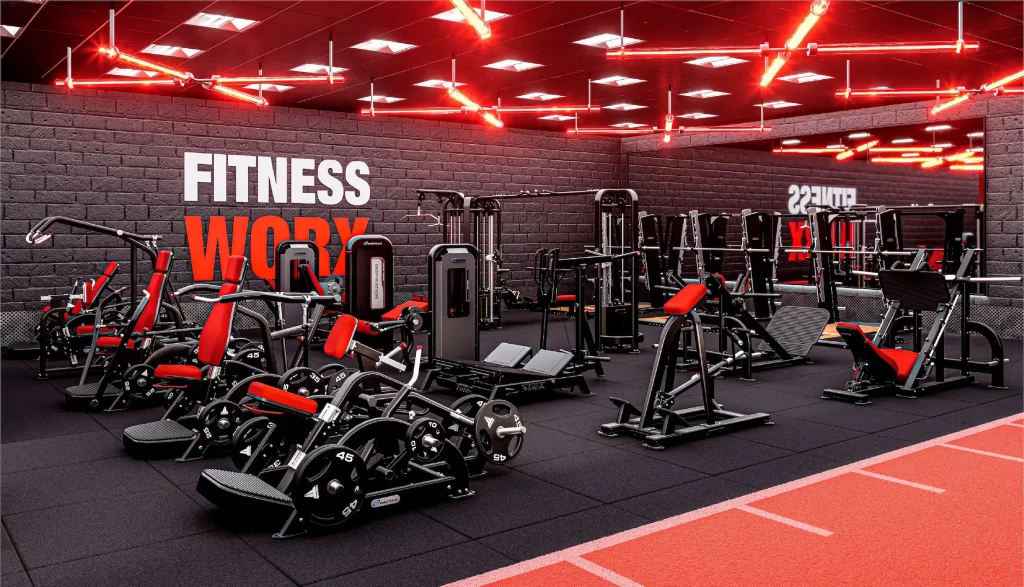
Health Club Design
Today health club design solutions may drive memberships into the club and studios, or it may detour them from joining and participating. Social distancing is not a temporary solution, health club design, as well as studios and boutique fitness, must consider this in design, layout, and building facilities of the future.
Safety, Functionality, and Comfort in Health Club Design
Lessons Learned and Modern Trends
in Health Club Design Solutions
Now, as we move beyond those days, health club design solutions mean something entirely different. While the plexiglass shields and distancing markers are no longer a staple, the lessons learned during the pandemic have left a lasting impact on the fitness industry. Modern designs now focus on adaptability, technology integration, and holistic wellness, creating spaces that cater to diverse member needs while reflecting the industry’s resilience and innovation.
One of the most significant shifts is the adoption of technology in fitness spaces. From touchless check-ins to app-based workouts and virtual class options, technology has become an integral part of the health club experience. Wearable fitness devices and smart equipment offer personalized data to enhance member engagement, while digital solutions streamline operations and elevate the overall experience.
Adequate Information
The steps to getting an accurate commercial flooring installation quote are fairly basic. Providing as much detail and information in the beginning will assure that you will be getting a quote that is accurate and on time. One of the worst things you can do is drip-feed information for quoting purposes. This will cause additional work, more steps and delay your quote from being completed.
Consistency
It is important that when you request a flooring installation quote, that you provide the same or equal information to all of the companies participating in the quote process so that you have accurate and fair comparisons.
Floor Preparation or Prep
Having as much of the substrate prepared for your flooring installation prior to the flooring installation team arriving, will save you both time and money in the end. All commercial flooring companies expect to perform floor prep prior to installing a commercial floor. The difference is what is considered normal or standard floor prep and what is not. Most commercial flooring installation companies will factor in one ten-pound bag of fill or feather per 1,000 square feet. Any additional material and labor needed to achieve the proper floor trueness will be added to your final invoice. For us at American Platforms & Flooring, that is our process as well.
Take-Offs
Commercial Flooring Installation companies will produce a drawing or drawings that are called take-offs. These drawings will show the floor plan in a 2D drawing, with the number of rolls, tiles, or sheets of the floor covering that is designated for that particular space. For example, if you have selected a recycled rolled rubber for installation, it will typically come in a 4-foot wide roll. The drawing will show a series of rolls on the plan to cover the space, with each showing 4 feet wide. If you have a 28-foot wide room, it would show 7 rolls of rubber at the required length. When this is done properly, a commercial flooring installation company can factor the proper roll lengths and quantity to avoid any more waste and trim than is absolutely necessary. This process will prevent your commercial flooring installation company from simply taking the square footage and adding the standard 15%.
Emotional Connections
Organic Marketing
Improved Perception
Member Retention
Differentiation in a Competitive Market
Enhanced Brand Visibility
Increased Revenue Opportunities
Increased Revenue Opportunities
Adaptability Across Spaces
Community Building
Professionalism for Specialty Spaces
Emotional Connections
Members and guests feel more connected to well-branded fitness and wellness spaces, fostering loyalty, pride, and a sense of belonging. A strong visual identity creates a cohesive and engaging atmosphere that members want to be part of.
Advertising
Property development agencies can utilize Concept Design to create compelling visuals for advertising campaigns before, during, and after the build process.
Securing Permits and Approvals
Presenting 3D-rendered project plans to local councils simplifies the process of obtaining permits and ensures alignment with local regulations.
Ongoing Marketing
Architectural animations or 3D virtual floor plans provide a powerful marketing tool that enables property development companies to maintain ongoing campaigns from the comfort of their offices.
Better Communication
While blueprints may be straightforward for professionals, they can be confusing for non-experts. 3D renders make designs accessible and comprehensible to everyone, fostering better collaboration.
Reduce Development Costs
Architectural rendering allows stakeholders to identify and rectify potential errors in the design phase. This reduces construction delays and avoids additional expenses caused by mistakes during building.
More Info